Bangalore Real Estate 2026
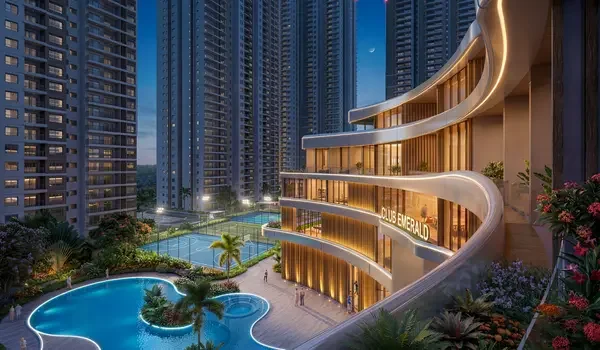
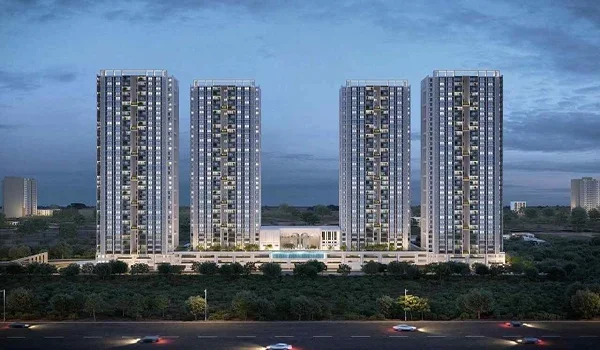
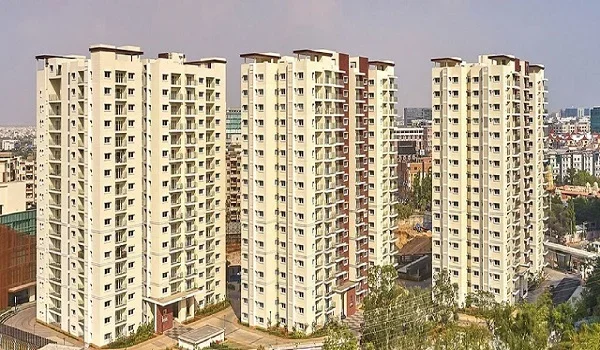
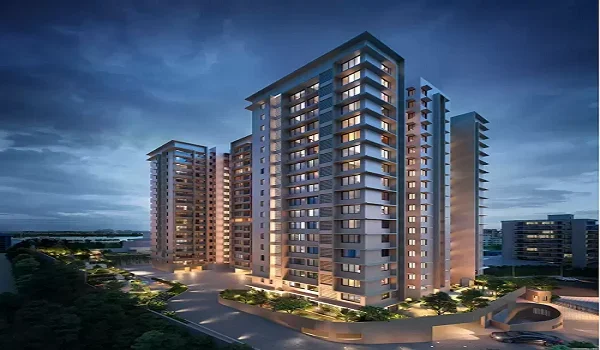
Featured Image of Bangalore Real Estate 2026


The Bangalore real estate market 2026 is experiencing exceptional structural expansion driven by surging IT employment and rapid municipal infrastructure updates. During the first half of 2026, the city's residential sector maintained healthy momentum with 27,968 housing units sold, marking a 5% year-on-year increase.

New housing launches also grew. They rose by 4% to 34,749 units across the city. Home prices kept rising, too. They went up 9% year-on-year. The average price now stands at ₹9,354 per square foot.

Most buyers want homes in the premium range. This means homes priced between ₹1 Crore and ₹5 Crores. High incomes, growing corporate jobs, and steady NRI investments are behind this trend. Buyers are moving away from old city centers. They now prefer large, planned townships outside the main city.
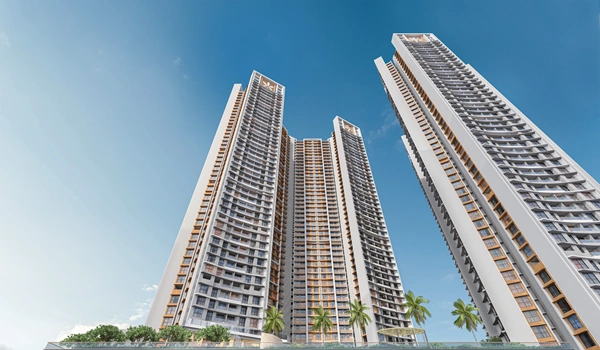
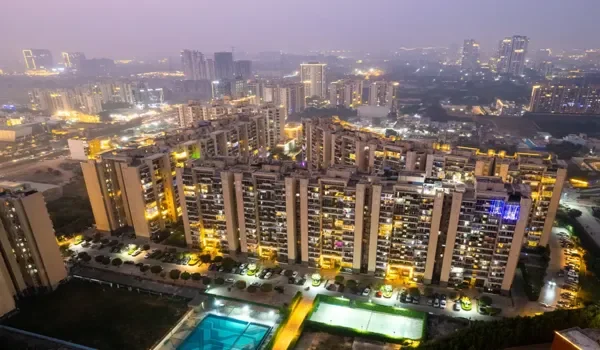
1. How the IT Corridor Is Changing


What is driving money into local housing?

Big investors are now putting money into large, spread-out homes. They prefer these over tall, packed towers in the city. Buyers want bigger homes with more nature. They also want smart facilities built into their communities. In fast-growing areas, home prices stay between ₹10,050 and ₹14,950 per square foot. Very few homes sit unsold here. This shows real buyers are driving demand, not just investors hoping to resell.
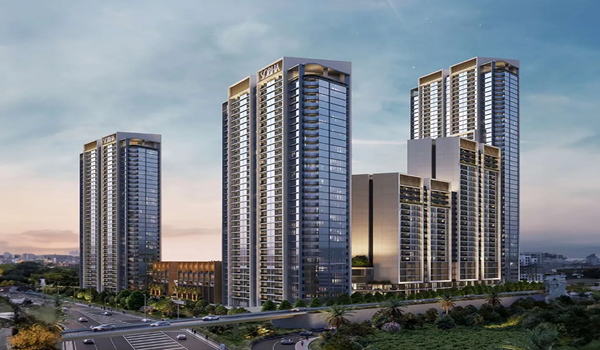
Why do investors like new suburban areas?

Outer job hubs connect well to big tech parks. These include places like Wipro SEZ and RGA Tech Park. Bangalore leads India in office space deals. In just six months of 2026, 14.1 million square feet were leased. Global Capability Centers made up 60% of these deals. They created many well-paying jobs. IT workers want homes near these offices. This gives landlords rental returns of 3.5% to 5.2%.

How is better connectivity changing home prices?

New infrastructure is opening up fresh luxury zones. This includes Namma Metro's Phase 2 and 3 extensions. It also includes the 280.8-kilometer Satellite Town Ring Road. Homes near future metro stations are gaining value faster. They grow 15% to 25% quicker than homes in cut-off areas. New transit hubs link far neighborhoods to the airport and highways directly. These projects cut travel time. This keeps housing demand steady over many years.

Where is most new housing coming up?

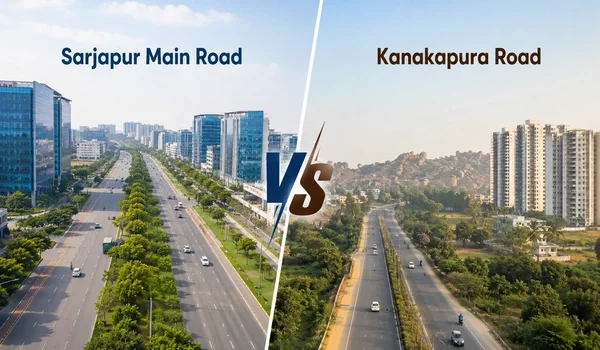
Most new housing is being built along Sarjapur Road. This area lies in Bengaluru South. Places like Kada Agrahara are becoming hot investment spots. They offer both open land and nearby jobs. Prices here have jumped 113.2% over the last five years. Average rates in top pockets now cross ₹12,000 per square foot. This makes the southeast area the city's fastest-growing luxury zone.

2. Focus: Godrej Regent Park in This Market


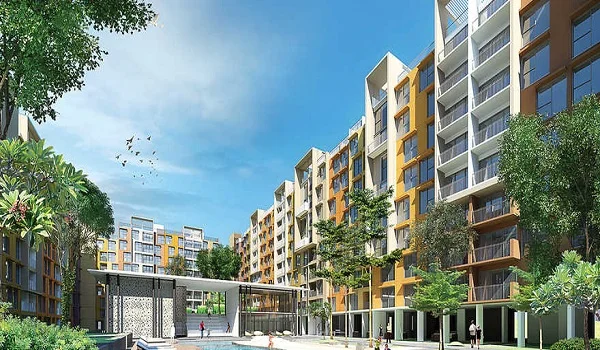
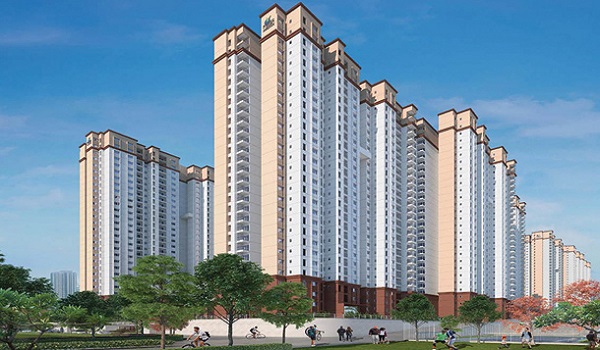
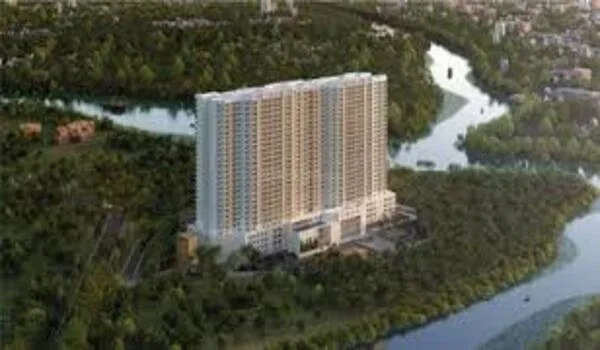
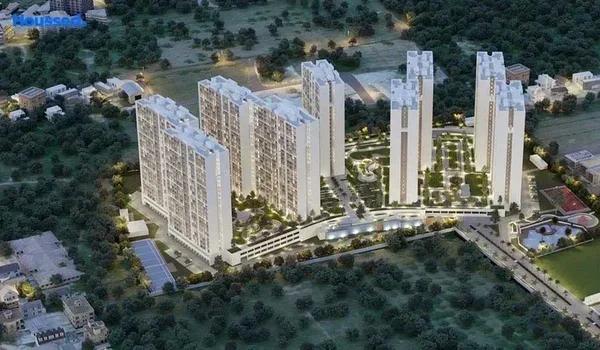
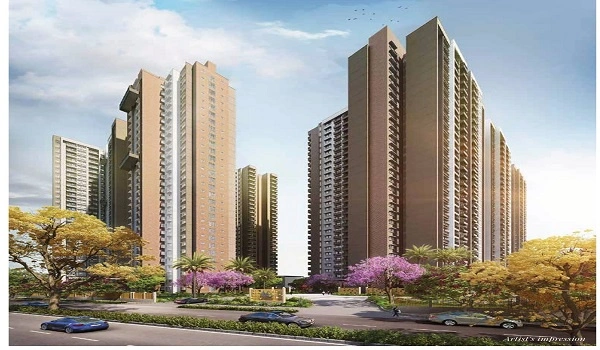
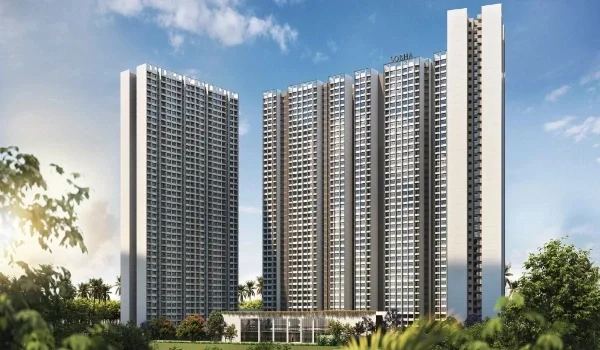
Godrej Regent Park represents a key part of this suburban shift. It makes up about twenty percent of this growth story. Godrej Properties Limited built this new project on Sarjapur Road. It reflects the exact changes shaping the 2026 market. It shows how builders are using land outside the city center. They are building full housing communities there instead.

How do new suburbs compare to old city centers?

This table shows the difference between old city areas and new suburban townships like Godrej Regent Park:

Urban Development Metric Legacy Central Business Districts Decentralized Suburban Enclaves (e.g., Godrej Regent Park)
Spatial Layout Fragmented Vertical Office Towers Horizontal Sprawl & Balanced Eco-Systems
Land Allocation High Structural Crowding / Low Greenery Vast Open Areas (e.g., ~8.07-Acre Layout)
Transit Connectivity High Traffic Friction / Inner-City Bottlenecks Direct Access to Arterial Highways & Transit Loops
Lifestyle Integration Separated Residential & Work Zones Integrated Residential, Commercial, and Social Infrastructure

Integrated Work-Live Communities near Tech Hubs


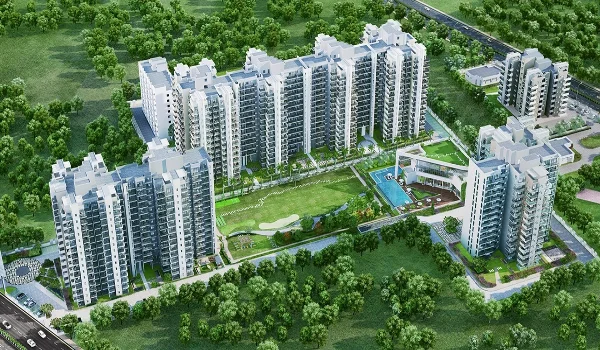
The project sits on 8.07 acres of land. It keeps home density low across this space. A huge 29,774 square meters is kept as open space alone. This matches exactly what today's suburban buyers want. It offers only limited 2 BHK and 3 BHK luxury homes.

Prices start at around ₹1.44 Crore. The project aims at high-income corporate buyers. These buyers are fueling growth along the Sarjapur corridor. The project holds K-RERA approval number PRM/KA/RERA/1251/308/PR/150726/008810. It promises fixed construction stages. Final handover is set for August 2031.

3. Prices and Location Details


New suburban housing projects are shaping local prices and available stock.

What do homes cost, and how are they configured?

This table shows prices, sizes, and taxes for homes along the Sarjapur corridor:

Configuration Type Average Sale Area Indicative Base Pricing Estimated All-Inclusive Cost Statutory Tax Footprint
2 BHK Residential Layout 1,200 sq. ft. ₹1.44 Crore* Approx. ₹1,72,94,000 5% GST + 5% Stamp Duty
3 BHK Luxe (2 Toilets) 1,500 sq. ft. ₹1.80 Crore* Approx. ₹2,15,50,000 5% GST + 5% Stamp Duty
3 BHK Premium (3 Toilets) 1,800 sq. ft. ₹2.16 Crore* Approx. ₹2,60,31,000 5% GST + 5% Stamp Duty

Note: These prices are only indicative figures. Final costs depend on floor level, legal fees, and local registration charges.

How far is the site from key places?

Residents can reach major business hubs easily from here:

Transit Destination Node Physical Distance Projected Commute Time Primary Route Corridor Alternate Transit Choice
Sarjapur Road Junction 3.5 Kilometers 8–10 Minutes Kada Agrahara Main Road Local BMTC Feeder Line
Carmelaram Railway Station 9.2 Kilometers 18–22 Minutes Chikka Bellandur Route App-Based Ride Pools
Bellandur IT Corridor 14.5 Kilometers 30–35 Minutes Outer Ring Road Link Metro Transit Network
Electronic City Phase 1 16.8 Kilometers 35–40 Minutes Huskoor Road Highway Corporate Shuttle Cabs

FAQs


1. Why do working professionals pick large townships over single apartment blocks?

People who work choose to live in townships instead of small apartment blocks. The reason is that townships have everything in one place. They have homes, big open spaces, plants that recycle water and good security. All of this is part of the plan. This way of planning helps to solve problems with space. It also helps to keep costs. It even helps to keep the value of the home over time.
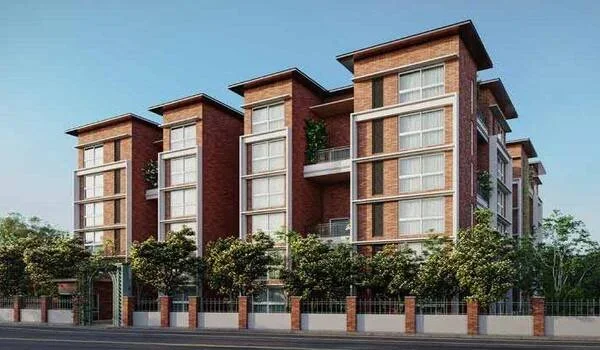
2. Where is Godrej Regent Park located, and is it legally approved?

The Godrej Regent Park project is located on Sarjapur Road in Kada Agrahara. This is in Bengaluru South, Karnataka, with a pin code of 562125. The people in charge of the Anekal Planning Authority have fully approved the project. The plan number is APA/CC/193/2026-27. It also has approval from K-RERA.

3. What is the real difference between the RERA carpet area and the total sale area?

The RERA carpet area is the space inside the home that you can actually use. This is the part of the home that you really own. The total sale area includes spaces that everyone shares, like the clubhouse and the lobbies. This extra space is divided fairly among all the people who live in the building.

4. When will the Kada Agrahara project reach possession and final handover?

The project in Kada Agrahara will be ready for people to move in on a date. According to the schedule that RERA made, the construction will be finished by 31 July 2031. The people who built the project plan to give the homes to the buyers starting from 5 August 2031.

5. How does the escrow system protect the buyer's money in this project?

The escrow system is in place to protect the money that buyers pay. The rules say that 70 percent of the money that buyers pay must stay in an account called an escrow account. This money can only be used for development work that has been verified. Architects and engineers who are certified must first confirm that the work is being done. Then can the money be taken out of the account? This way Godrej Regent Park project and the escrow system protect the buyer's money. The project uses this system to keep the buyer's money safe.
Godrej Regent Park Blog


Enquiry
Enquire Now